Choosing between WordPress and Shopify in 2026 is a critical decision for any USA business planning to launch or scale an ecommerce store. Both platforms dominate the market, but their structure, features, pricing, flexibility, and long-term growth potential differ significantly. Shopify offers an all-in-one ecommerce system designed for ease of use, fast deployment, built-in security, and reliable performance. WordPress, powered by WooCommerce, provides unmatched customization, scalability, plugin integrations, and full control over website architecture. USA businesses often search for “WordPress vs Shopify 2026,” “best ecommerce platform for USA startups,” and “Shopify or WordPress which is better,” because the right platform can directly influence conversions, operations, cost efficiency, SEO results, and overall ROI. At Glowify Designs, we help American businesses compare features, pricing, performance, and growth potential to identify the most profitable platform for their needs. This guide provides a complete breakdown to help you make a high-value, informed decision.
Understanding the Core Differences: WordPress vs Shopify 2026 (USA-Focused Breakdown)
In 2026, the core differences between WordPress and Shopify matter more than ever for USA-based companies evaluating ecommerce solutions. Shopify delivers a hosted, fully managed ecosystem designed for quick setup, seamless integrations, strong security, and high-speed performance. WordPress, with WooCommerce, offers a self-hosted structure that gives businesses complete control over customization, design flexibility, content strategy, and integration options. USA businesses often compare WordPress vs Shopify for ecommerce because each platform supports different workflows, budgets, and growth plans. Understanding their foundational differences helps you align your business model with the technology that supports your long-term success.
WordPress vs Shopify Features Comparison 2026 — What USA Businesses Must Evaluate
USA businesses comparing WordPress vs Shopify features in 2026 need to evaluate customization, performance, store management, plugin/app ecosystems, marketing tools, scalability, and security capabilities. Shopify provides built-in ecommerce functionalities, automated updates, streamlined checkout, secure hosting, and powerful integrations for multichannel sales. WordPress, combined with WooCommerce, offers unlimited customization, advanced content management, flexible SEO tools, and low-cost plugin options, making it ideal for brands that require control and adaptability. USA merchants must consider their development needs, internal resources, and long-term growth plans to select the platform that enhances performance and revenue.
Shopify vs WordPress Pricing Comparison in the USA — Which Platform Saves You More in 2026?
When evaluating Shopify vs WordPress pricing in the USA, cost transparency and long-term expenses play a major role. Shopify offers fixed monthly pricing but includes app charges, transaction fees, and paid theme costs. WordPress provides free CMS access, but expenses include hosting, plugins, security tools, and developer assistance. For USA businesses, the optimal choice depends on store size, customization needs, and budget allocation. Shopify’s predictable pricing benefits small businesses seeking simplicity, while WordPress may offer lower long-term costs for companies needing advanced customization and control. A detailed price analysis ensures your ecommerce investment aligns with projected growth.

Problem-Solving Guide: Which Platform Fits Your Business Model in the USA?
USA businesses must analyze their operational requirements, product type, budget, scalability goals, and automation needs when deciding between Shopify and WordPress. Shopify supports ecommerce-first businesses that need speed, stability, and hands-off management, while WordPress suits brands that require custom workflows, content-driven marketing, and advanced integration flexibility. Whether you operate a local USA business, a national retail brand, a B2B store, or a high-volume enterprise, selecting the right platform solves key friction points in operations, conversion optimization, store performance, and customer journey automation.
Shopify or WordPress for Small Businesses in the USA — Ease of Use, Scalability & ROI
Small businesses in the USA often prefer Shopify for its beginner-friendly dashboard, simplified product management, fast checkout system, and optimized hosting. It eliminates complexities and ensures higher uptime and faster store speed. WordPress, however, provides superior flexibility for brands planning long-term scalability, custom features, and advanced marketing controls. In terms of ROI, Shopify delivers rapid launch and operational efficiency, while WordPress yields higher long-term returns for businesses requiring customization. Understanding your business stage, development capability, and marketing strategy helps determine which platform supports your growth more effectively.
WordPress WooCommerce vs Shopify for Ecommerce USA — Performance, Speed & Security Differences
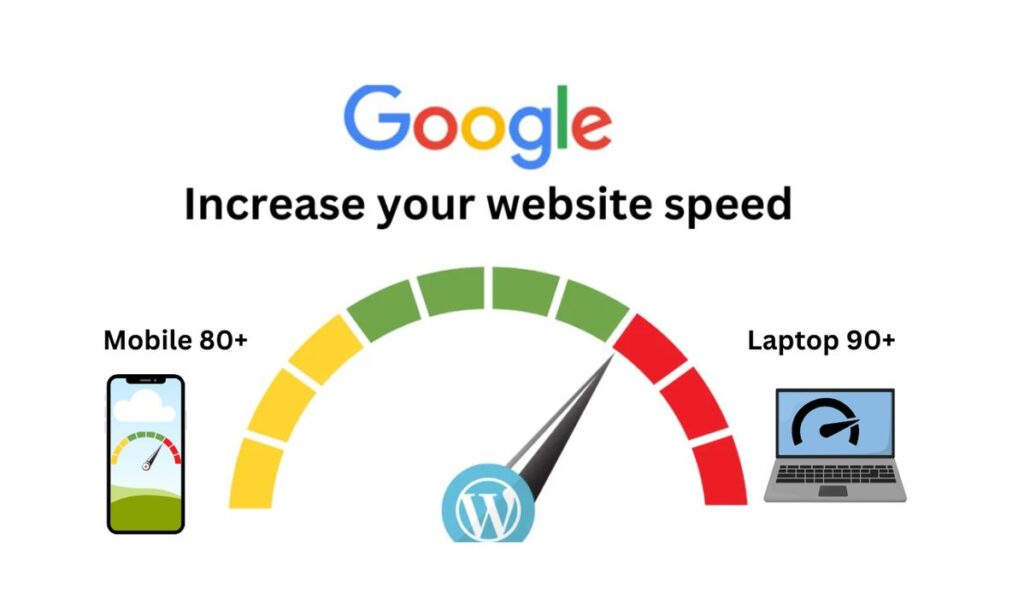
In the USA ecommerce market, speed and security directly influence conversions. Shopify ensures fast global CDN delivery, PCI-compliant security, and optimized hosting performance. WordPress with WooCommerce requires hosting selection, speed optimization plugins, security firewalls, and manual updates, but offers greater control. Shopify benefits businesses wanting consistent speed with minimal maintenance, while WordPress advantages brands needing custom security setups and advanced performance tuning. High-volume stores must carefully compare infrastructure requirements and scalability demands to minimize downtime and maximize sales efficiency.
Technical Comparison 2026: SEO, Performance, Flexibility & Integrations
USA businesses assessing Shopify vs WordPress technically must analyze SEO capabilities, site performance, customization flexibility, automation workflows, and third-party integrations. WordPress provides stronger SEO control through plugins, schema customization, content management, and advanced optimization. Shopify offers stable, built-in SEO but limited technical adjustments. Both platforms integrate with major automation and marketing tools, but WordPress supports more complex custom integrations. Performance also varies based on hosting and optimization strategies. Understanding these technical layers ensures your ecommerce store achieves high search visibility, conversion performance, and operational efficiency.
Professional Website Development & Design Services for Marts in the USA
Shopify vs WordPress SEO Comparison USA — Which Platform Helps You Rank Faster?
WordPress generally provides superior SEO flexibility for USA businesses because it supports custom schema, URL structures, metadata controls, and long-form content optimization. Shopify delivers strong baseline SEO with fast page speed and mobile-first architecture but offers limited technical modification. For content-driven ecommerce strategies, WordPress leads with WooCommerce SEO enhancements, while Shopify benefits product-driven stores relying on speed and simplicity. The best choice depends on how much control your team needs over SEO elements and how competitive your USA market niche is.
WordPress Customization vs Shopify Flexibility — Which Gives You More Control in 2026?
WordPress offers full customization across design, backend functionality, database architecture, checkout flows, and integrations. This makes it ideal for brands requiring unique ecommerce experiences. Shopify, in contrast, focuses on guided flexibility using apps, themes, and Liquid templates—simpler but more structured. USA businesses seeking fast deployment and minimal complexity prefer Shopify, while brands needing advanced workflows and custom UX patterns choose WordPress. Your level of technical expertise and desired control determine which platform suits your long-term vision.

Commercial Considerations: Cost, Maintenance & Long-Term Growth for USA Businesses
USA businesses evaluating Shopify vs WordPress must consider ecommerce development costs, maintenance needs, hosting expenses, transaction fees, migration options, and long-term scalability. Shopify provides predictable costs with monthly plans, while WordPress requires flexible budgeting for hosting, plugins, and development. Maintenance differs: Shopify manages technical upkeep, whereas WordPress demands manual oversight. Long-term growth depends on platform flexibility—Shopify scales effortlessly, while WordPress enables deep customization for complex operations. Assessing both short-term and long-term ROI is essential for strategic decision-making.
Shopify vs WordPress Cost for Ecommerce USA — Development, Maintenance & Transaction Fees
Shopify costs include monthly subscriptions, app fees, payment processing charges, and transaction fees if using external gateways. WordPress costs involve hosting, premium plugins, security tools, and developer support. For USA businesses, Shopify is cost-efficient for fast launch and predictable scaling, while WordPress supports long-term savings for stores requiring extensive customization. Maintenance costs also differ—Shopify handles updates automatically, while WordPress demands continuous optimization. Understanding your cost structure ensures the platform aligns with your budget and revenue goals.
Responsive Web Design Services in Texas: Mobile-Friendly HTML5 Websites for Small Businesses
Which Platform Grows With Your Business in 2026? WordPress vs Shopify Scalability in the USA
Scalability is crucial for USA businesses planning expansion. Shopify scales automatically with increased traffic and transactions, making it ideal for fast-growing ecommerce brands. WordPress also scales well but requires optimized hosting, caching, CDN services, and performance tuning. Shopify supports growth through apps and enterprise plans, while WordPress supports advanced custom solutions and multi-store architectures. Choosing the right platform depends on your expected growth rate, custom requirements, and operational resources.

How Glowify Designs Helps You Choose the Right Platform & Maximize Business Growth
Glowify Designs specializes in helping USA businesses evaluate, select, and build the ideal ecommerce platform—WordPress or Shopify—based on growth goals, technical needs, and budget. We analyze your business model, audience, automation requirements, marketing strategy, and revenue targets to deliver a customized roadmap. Our team ensures you choose a platform that boosts conversions, performance, operational efficiency, and long-term profitability.
Best Web Design Services for Hotels in 2026: Boost Direct Bookings & Maximize Online Visibility
Why USA Businesses Trust Glowify Designs — Proven Shopify & WordPress Development Expertise
Glowify Designs is trusted across the USA for delivering high-quality Shopify and WordPress development solutions that drive measurable growth. Our expertise spans ecommerce store setup, custom feature development, WooCommerce optimization, Shopify theme customization, plugin/app integration, SEO setup, and conversion-driven UI/UX. We provide transparent communication, affordable pricing, clear timelines, and strategic guidance that ensures every business receives the highest return on investment. Our goal is to help you build a powerful, fast, secure, and scalable online store.
How We Help You Grow: Custom Ecommerce Solutions, Platform Migration & Full-Scale Support
Glowify Designs provides end-to-end ecommerce growth services including custom WordPress and Shopify development, store redesigns, WooCommerce setup, Shopify customization, payment gateway configuration, SEO optimization, and full migration services between platforms. Whether you need Shopify to WordPress migration, WordPress to Shopify migration, or advanced store enhancements, we manage everything with precision. Our team builds tailored solutions that support higher conversions, faster performance, seamless user experience, and long-term scalability—ensuring your USA business stays ahead in 2026 and beyond.