Web development is one of the most influential skills shaping today’s digital world. Every website you visit, every online service you rely on, and every digital experience you interact with is created through structured development. Behind every smooth checkout, pixel perfect layout, and fast loading interface is a combination of coding, design, logic, and infrastructure.
Whether your goal is to learn development, hire a development agency, or simply understand how websites function beneath the surface, this guide breaks down the entire process in a clear, practical, and engaging way. You’ll understand the foundations of development, why it matters, and what truly goes into building the modern web.
What Is Web Development? Understanding the Core of the Digital World
Web development is the end to end process of designing, coding, deploying, and maintaining websites and online platforms. It defines how a website looks, behaves, loads, and interacts with users. From visual elements like buttons and menus to technical functions like databases and authentication everything is developed using structured coding and engineering logic.
Modern web development goes far beyond static HTML pages. Today’s websites are dynamic systems powering:
- E-commerce stores
- SaaS dashboards
- AI-driven interfaces
- Booking platforms
- Social networks
- Mobile-responsive web apps
- Streaming services
Development transforms ideas into functional digital experiences that help businesses operate, scale, and compete.
Strong development determines:
- Website speed
- Search engine performance
- Security
- User experience
- Scalability
- Reliability under traffic
- Integration with third-party tools
In a world where users decide within seconds whether to trust a brand, development has become a critical business advantage not just a technical skill.
Why Web Development Matters in Today’s Digital Economy
A website is the first point of contact between a business and its audience. People judge your competence, trustworthiness, and credibility within 0.05 seconds of landing on your site. Good development ensures your website loads fast, feels modern, and behaves consistently across devices.
Here’s why development matters more today than ever:
1. User Experience Determines Conversions
Slow, outdated, or buggy websites lose customers instantly. Good development ensures smooth navigation, responsive pages, and satisfying user interactions.
2. Google Ranks Technically Strong Websites Higher
Technical optimization now plays a major role in SEO rankings. Development affects:
- Core Web Vitals
- Mobile responsiveness
- Website structure
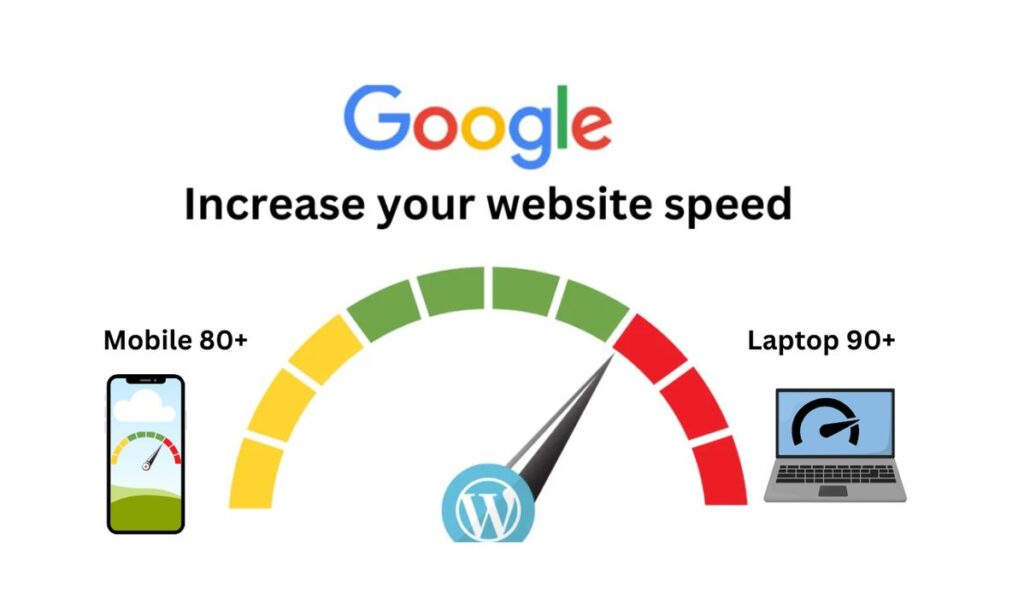
- Page speed
- Crawlability
- Security (HTTPS)
Even the best content won’t rank without strong development.
3. A Website Acts as a 24/7 Sales Machine
A high-quality website:
- Generates leads
- Automates sales
- Builds trust
- Reduces customer support burden
- Strengthens brand authority
Your website is the only employee who works 24 hours a day, never sleeps, and represents your brand globally.
4. Businesses Without Modern Development Fall Behind
Users expect modern design, fast performance, and intuitive experiences. Without proper development:
- Bounce rates increase
- Sales drop
- Brand credibility weakens
- Competitors gain an advantage
This makes development a long-term strategic investment, not an optional expense.
Types of Web Development You Should Know
Web development is divided into three major categories. Each plays a critical role in building a complete digital product.
1. Front-End Development (The User Interface)
Front-end development controls everything users see and interact with. This includes:
- Layout
- Fonts and typography
- Colors and themes
- Buttons and navigation
- Animations and transitions
- Forms and interactive features
- Mobile responsiveness
Front-end developers work primarily with:
- HTML – structure
- CSS – styling
- JavaScript – behavior
Popular frameworks powering modern web experiences include:
- React
- Next.js
- Vue
- Angular
- Tailwind CSS
A well built front end improves engagement, reduces bounce rates, and strengthens brand perception.
2. Back-End Development (The Logic & Infrastructure)
Back-end development powers everything users don’t see. It’s the engine behind the website.
Back-end responsibilities include:
- Database management
- API development
- Authentication & user accounts
- Payment processing
- Security protocols
- Data storage & retrieval
- Server configuration
- App logic
Common back-end languages include:
- Node.js
- Python (Django, Flask)
- PHP (Laravel)
- Ruby on Rails
- Java
A strong back end ensures your site is secure, fast, and capable of handling traffic spikes.
3. Full-Stack Development (Front + Back End)
Full-stack developers work across the entire ecosystem:
- UI/UX
- Front-end interface
- Back-end logic
- Databases
- APIs
- Deployment
- Cloud hosting
Full-stack development is highly valuable for startups and businesses needing agile development because it reduces reliance on large teams and speeds up production.
Common full-stack tech stacks include:
- MERN (MongoDB, Express, React, Node)
- MEAN (MongoDB, Express, Angular, Node)
- LAMP (Linux, Apache, MySQL, PHP)
Front-End Development: Building the User Interface
Front-end development shapes the digital experience a user interacts with. Beyond visuals, it plays a direct role in:
- Conversion rates
- SEO performance
- User trust
- Accessibility
- Mobile usability
A strong front end must:
- Render fast
- Be fully responsive
- Maintain consistent branding
- Follow accessibility best practices
- Provide intuitive navigation
- Handle animations without lag
Google rewards accessible and mobile-first websites. That’s why front-end development is closely tied to SEO success.
Back-End Development: Powering Logic, Data & Security
If the front end is the face of a website, the back end is the brain.
Back-end development ensures:
- Data is stored securely
- User requests are processed correctly
- The website remains stable under pressure
- Payments and forms work smoothly
- Integrations operate without breaking
- The website can scale as traffic grows
Security is a critical component. Back-end developers implement:
- Encryption
- Secure authentication
- API validation
- Firewall protection
- Data access rules
- Threat prevention mechanisms
This makes back-end development essential for e-commerce stores, membership platforms, dashboards, and any website handling sensitive data.
Full-Stack Development: Creating Complete Digital Experiences
Full-stack developers understand every layer of digital creation. They work on:
- UI design elements
- Front-end code
- Back-end logic
- Databases and APIs
- Deployment environments
- Cloud architecture
- Automation pipelines
Because they see the entire system, they’re exceptional problem solvers and efficient builders of MVPs, SaaS platforms, and complex digital products.
Web Design vs. Web Development: The Clear Difference
Although design and development work closely together, they serve different functions.
Web Design = How the Website Looks
Design involves:
- Color schemes
- Layout structure
- Visual hierarchy
- Typography
- Icons and images
- Brand identity
- UI patterns
Design focuses on aesthetics and user interface principles.
Web Development = How the Website Works
Development involves:
- Coding
- Features
- Performance
- Database connections
- Functionality
- Speed optimization
- Security
Design without development is only a visual concept.
Development without design leads to unattractive websites.
Both are essential for modern digital success.
The Website Development Process: How Professional Websites Are Built
Professional websites follow a structured development lifecycle. This ensures the final product is stable, scalable, and user-friendly.
1. Planning & Strategy
Every project begins with understanding:
- Business goals
- Target audience
- Required features
- Competitors
- Content needs
- Brand message
- Technical requirements
This phase sets the foundation for all future decisions.
2. UI/UX Design
Designers create:
- Wireframes
- Mockups
- Prototypes
- User journeys
- Brand elements
The goal is to create a design that is intuitive, visually appealing, and aligned with business objectives.
3. Development (Front End + Back End)
Front-end developers build the interface.
Back-end developers build the functionality.
This includes:
- Coding layouts
- Setting up databases
- Building APIs
- Ensuring responsiveness
- Writing logic
- Integrating third-party tools
4. Content Integration
This includes:
- Website copy
- Images
- Videos
- Meta tags
- Internal links
- SEO elements
A website without content is a skeleton. This stage brings it to life.
5. Testing & Quality Assurance
Before launch, the website undergoes:
- Performance testing
- Browser testing
- Responsive checks
- Form validation
- Security checks
- Bug fixes
- Accessibility tests
Quality assurance ensures every feature works flawlessly.
6. Deployment
The website is launched using:
- Hosting configuration
- DNS setup
- SSL certificates
- Caching
- CDN integration
- Version control systems
Deployment ensures the site goes live securely and efficiently.
7. Maintenance & Continuous Improvement
Websites require ongoing care, including:
- Software updates
- Security patches
- Backups
- Performance improvements
- Feature upgrades
- Content updates
A website is never truly “finished”it evolves with the business.
Essential Skills Every Web Developer Needs
Developers must understand more than coding. Core skills include:
Technical Skills
- HTML, CSS, JavaScript
- React, Vue, or Angular
- Node.js, PHP, Python
- MySQL, PostgreSQL, or MongoDB
- Git & version control
- API integration
- Responsive design
- Performance optimization
- Technical SEO
- Security principles
Soft Skills
- Problem-solving
- Attention to detail
- Communication
- Collaboration
- Analytical thinking
- Adaptability
- Project management
These combined skills allow developers to deliver high-quality results in real-world environments.
Tools & Technologies Used in Modern Web Development
Developers rely on a wide set of tools to build stable, scalable, and modern systems.
Front-End Tools
- React
- Vue
- Angular
- Tailwind CSS
- Next.js
Back-End Tools
- Node.js
- Django
- Laravel
- Ruby on Rails
Databases
- PostgreSQL
- MySQL
- MongoDB
DevOps & Deployment
- Docker
- GitHub Actions
- AWS
- NGINX
- Vercel
- Netlify
Design Tools
- Figma
- Adobe XD
- Illustrator
These tools ensure fast development, global scalability, and reliable performance.
How Web Development Improves SEO Performance
SEO is not just about keywords. It’s heavily influenced by technical development.
Strong development improves:
1. Page Speed
Slow sites lose rankings. Google prioritizes fast-loading pages.
2. Clean HTML
Helps search engines understand structure and meaning.
3. Mobile Responsiveness
Over half of global traffic comes from mobile.
4. Site Architecture
Proper hierarchy improves crawlability.
5. Schema Markup
Enhances visibility in rich results.
6. Security (HTTPS)
Essential for trust and ranking signals.
Without technical SEO and clean development, even the best content won’t rank.
Modern Trends Shaping the Future of Web Development
The web evolves quickly. These trends define the next generation of digital experiences:
- AI-powered websites
- Progressive Web Apps (PWAs)
- Headless CMS systems
- Serverless architecture
- Voice search optimization
- AR/VR integration
- Eco-friendly web technologies
- Real-time personalization
These technologies make websites faster, smarter, and more adaptive.
Career Opportunities in Web Development
Web development offers some of the most future-proof career paths:
- Front-end developer
- Back-end developer
- Full-stack developer
- DevOps engineer
- Product engineer
- UI/UX designer
- WordPress developer
- Cloud engineer
Developers can work remotely, freelance, join agencies, or build SaaS startups. The career has limitless earning potential and global opportunities.
Common Web Development Mistakes That Hurt Performance
Many websites underperform due to avoidable issues:
- Slow loading speeds
- Poor mobile responsiveness
- Weak security
- Outdated plugins
- Broken navigation
- Poor coding structure
- Lack of accessibility compliance
Fixing these issues dramatically improves conversions and search performance.
The Future of Web Development: Intelligent Automation & Innovation
The next era of the internet will be shaped by:
- AI-generated layouts
- Automated optimization
- Voice-driven interfaces
- Personalized user journeys
- Real-time analytics
- Blockchain-based authentication
- Edge computing for ultra-fast delivery
Future websites will be:
- Faster
- More secure
- More intelligent
- Fully personalized
- Seamlessly integrated across devices
Businesses that adapt early will lead their markets.
Conclusion: Build Your Digital Presence With Professional Web Development
Web development is more than writing code it’s the foundation of your digital identity. A well developed website enhances trust, improves SEO, increases conversions, and helps businesses scale confidently in a competitive online world.
If you want a high performing, modern, and visually engaging website, GlowifyDesigns provides expert web development and UI/UX solutions tailored for long-term success.
A powerful website is not an expense—
it’s an investment in your brand’s future.